Insights
Intellectual Property & Technology
-
April 27, 2022
Drone Highways Could be the Next Big Move in Ohio’s Renowned Aviation History
With new and innovative developments in aviation technology, Ohio could soon be pioneers yet again in that exciting field.
-
March 23, 2022
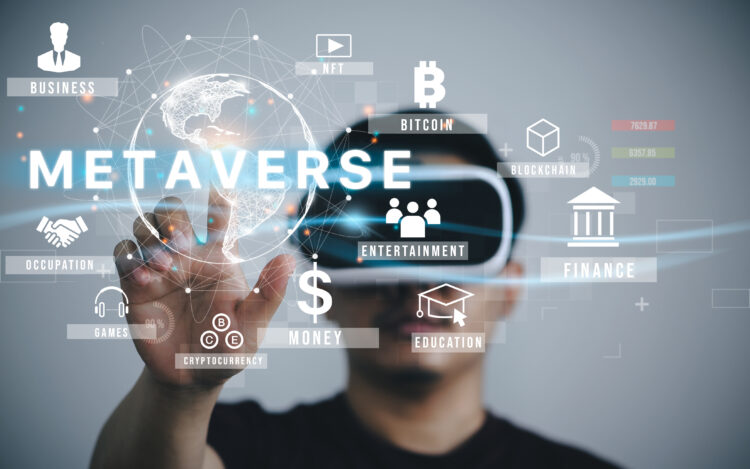
Intellectual Property in the Metaverse
An influx of trademark applications filed with the USPTO have been linked to the sale of goods and services in the metaverse
-
March 23, 2022
Several Shades of Ignorance: Supreme Court Excuses Inadvertent Mistakes of Fact and of Law in Copyright Registrations
The U.S. Supreme Court has recently confirmed that errors in copyright applications will not invalidate a copyright registration
-
October 30, 2021
Design Patents in Virtual Reality: Implications for the Future of Esports and Gaming
The USPTO has completed a process of gathering public comments on a potential rule change could impact esports players and virtual reality VR
-
September 30, 2021
KJK Tops US Contract Case Ranking, Is Second Nationally for Trademark Cases
KJK is the most active law firm in the country when it comes to proactively defending its clients’ rights in contracts litigation, according to Lex Machina’s 20…
-
March 29, 2020
COVID-19 and Intellectual Property
As with all aspects of daily life, COVID-19 coronavirus has not spared intellectual property (IP). Neither has it brought it to a halt.
-
January 22, 2020
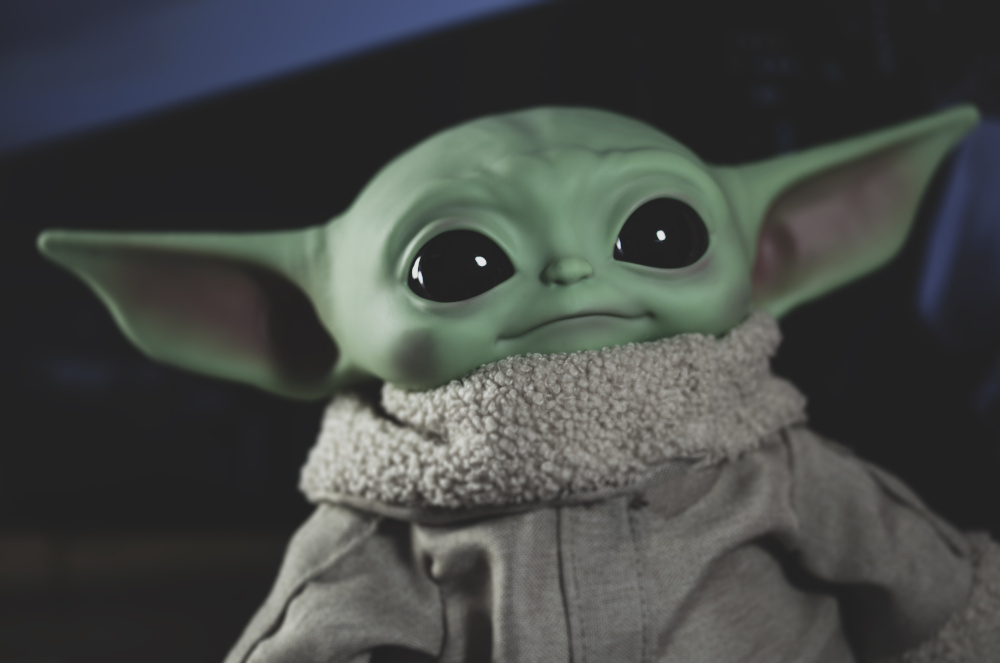
“Baby Yoda” as an Intellectual Property Case Study
Baby Yoda's rise was possible, in part, because Disney took an uncharacteristically hands-off approach to the intellectual property related to the character
-
October 4, 2019
Ars Ex Machina: Copyrights and Artificial Intelligence
Artificial intelligence is re-shaping the landscape of modern commerce, art and society. But who owns the intellectual property these systems create?
-
November 18, 2015
Works Made for Hire: Who Owns the Sermon?
If work is “made for hire,” the employer and not the employee, is considered the author and owner of the copyright. But what about a sermon?
-
November 12, 2015
The Fair Use Doctrine and the Religious Services Exception
The fair use doctrine allows people to use copyrighted materials in order to critique, to educate, and to create new and original work.